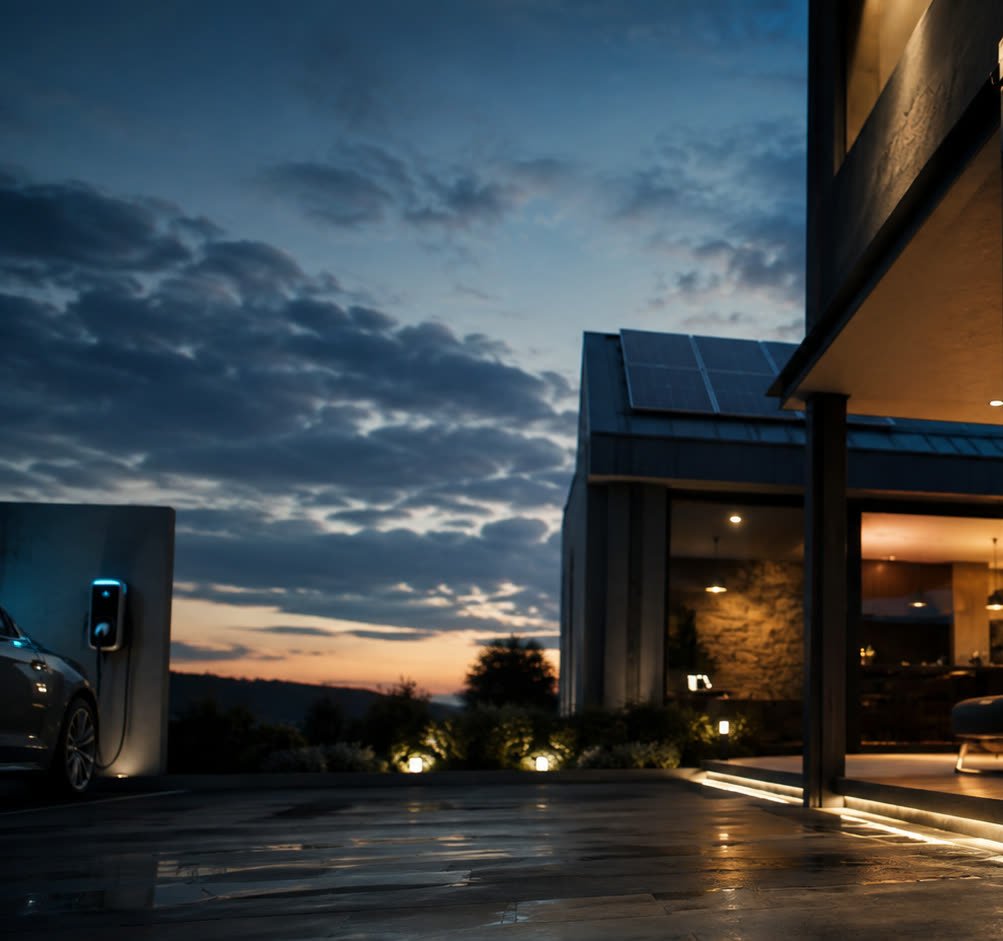
E-Mobility
Wallbox installation in Neuss – planning, installation and commissioning
Wallbox installation in Neuss: house connection and meter cabinet check, installation and commissioning. For houses, flats and businesses.
Learn more
ServiceEnergy & e-mobility
A solar PV system from Kara Elektrotechnik, your electrician in Neuss, is matched to your roof and your electricity use: we plan and size the system, install it and put it into operation properly. On request we add battery storage, energy management and a wallbox, so that as much solar power as possible is used in your own home.

A PV system is more than the modules on the roof. The modules produce direct current, which the inverter converts into the alternating current used in the grid. From there the cable runs to the meter cabinet, where the system is connected to the house network with the necessary protective devices. How safely and economically the system runs is therefore decided not only on the roof but also in the service room.
Our work covers planning and sizing, installing the modules, inverter and cables, adapting the meter cabinet and commissioning with measurements and a test report. On request we add battery storage and an energy management system that controls loads in the house according to solar output.
Planning a PV system starts with the roof. A south-facing surface gives the highest output around midday; an east-west layout spreads generation over the day and often suits a household that uses a lot of power in the morning and evening better. Shade from dormers, chimneys or trees can noticeably reduce the output of individual modules, so it is taken into account when laying out the modules.
Consumption matters at least as much. Anyone planning a wallbox or heat pump needs a larger system today than the current electricity bill suggests. The meter cabinet is part of the planning too: whether there is room for protective devices and meters or whether it needs adapting is clarified at the on-site visit.
For a first assessment we need your annual electricity use from your last bill and, if possible, photos of the roof and meter cabinet. At the on-site visit we check the roof, orientation, shading, cable route and meter cabinet.
This leads to a plan with system size, components and storage if needed, matched to your demand, and a quote. After installing the modules, inverter, cables and protective devices, we put the system into operation, measure it, create a test report and show you how to follow generation and consumption in the monitoring.
A PV system must be reported to the grid operator before it is built (§ 19(3) NAV) and entered in the Federal Network Agency's Market Master Data Register (Marktstammdatenregister) within one month of commissioning. The entry is the operator's responsibility; a battery storage system is registered separately.
According to the consumer advice centre (Verbraucherzentrale), missing the deadline risks the feed-in tariff and a fine. We clarify which documents the grid operator requires during planning.
Since 2023, PV systems on or near residential buildings are subject to a VAT rate of 0 %. Under § 12(3) UStG this covers the supply of solar modules, the components essential for operation and storage to the operator, as well as the installation. If the gross output entered in the Market Master Data Register is no more than 30 kW (peak), the conditions are deemed to be met.
For individual tax questions, for example on income tax, please consult your tax adviser.
The more solar power is used in your own home, the less electricity has to be bought from the grid. Several building blocks help, and they can also be added later:
| Building block | What it does |
|---|---|
| Battery storage | Stores surplus from the day for the evening and night |
| Energy management | Switches loads on when the system produces a lot of power |
| Wallbox with surplus charging | Charges the electric car preferably with your own solar power |
| Heat pump | Can be connected via the energy management and uses solar power for heating and hot water |
Not every building block has to be there from the start. If you build only the PV system first, cable routes and the meter cabinet can be prepared so that storage or a wallbox can be added later without major rework.
A PV system needs little maintenance, but it should be kept an eye on. The inverter's monitoring shows how much the system produces; if output suddenly drops in similar weather or the inverter reports a fault, that is a reason to have it checked. Typical causes are a failed string, a loose connector or new shading, for example from a tree that has grown.
In commercially used buildings, the PV system is part of the business's electrical installation and is included in the recurring electrical testing. In a private house, a check also makes sense if the system behaves unusually after a storm, hail or work on the roof.
We plan and install PV systems in Neuss, on detached houses in Norf, Holzheim or Uedesheim as well as on apartment buildings and commercial roofs in the city. We also work on your PV system in Kaarst, Meerbusch, Dormagen, Grevenbroich and Korschenbroich as well as in Düsseldorf, Duisburg and Cologne.
For a first assessment, your annual electricity use and a few photos of the roof and meter cabinet are enough.
You can find every place we work in on our service area page.
That depends mainly on roof area, orientation, shading and how much electricity you use yourself. We check these points during the on-site visit.
The right size follows from the usable roof area and your annual electricity use, plus planned loads such as a wallbox or heat pump. We decide it together with you during planning.
No, a PV system also works without storage. A battery increases the share of solar power you use yourself, because it keeps surplus from the day for the evening.
Yes. The grid operator must be informed before the system is built, and after commissioning it must be entered in the Market Master Data Register within one month.
For systems on or near residential buildings, a VAT rate of 0 % applies to modules, essential components, storage and installation (§ 12(3) UStG).
In many cases yes. We check on site whether the inverter and meter cabinet are suitable.
It depends on system size, components, roof and storage. After the on-site visit you receive a quote for your house.
Kara Elektrotechnik
Send us your annual electricity use and a few photos of your roof and meter cabinet. We will get back to you to arrange an on-site visit.
Wallbox installation in Neuss: house connection and meter cabinet check, installation and commissioning. For houses, flats and businesses.
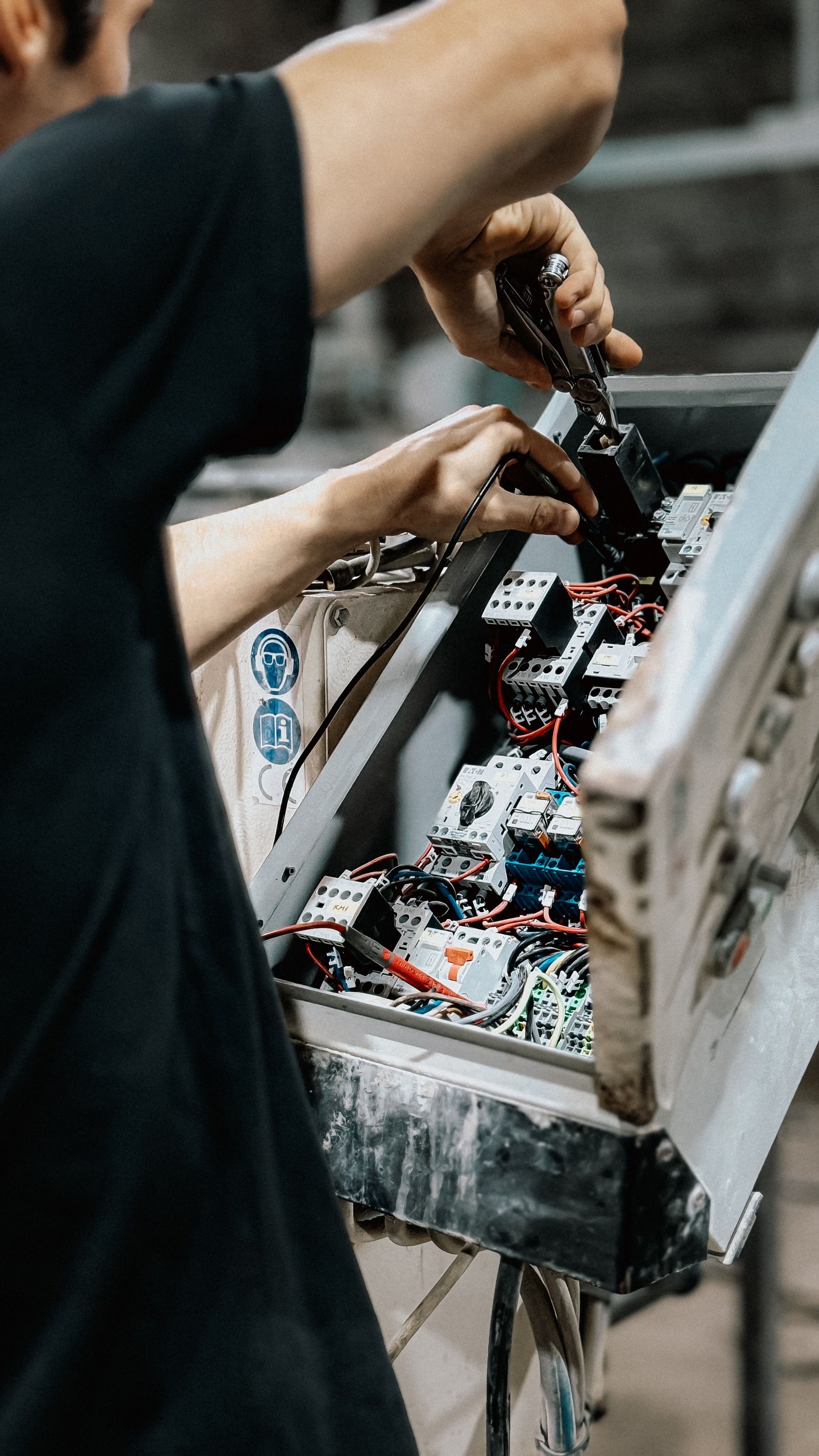
Emergency electrician in Neuss, available around the clock: power failure, short circuit or burning smell. What you can do right away and how we help.
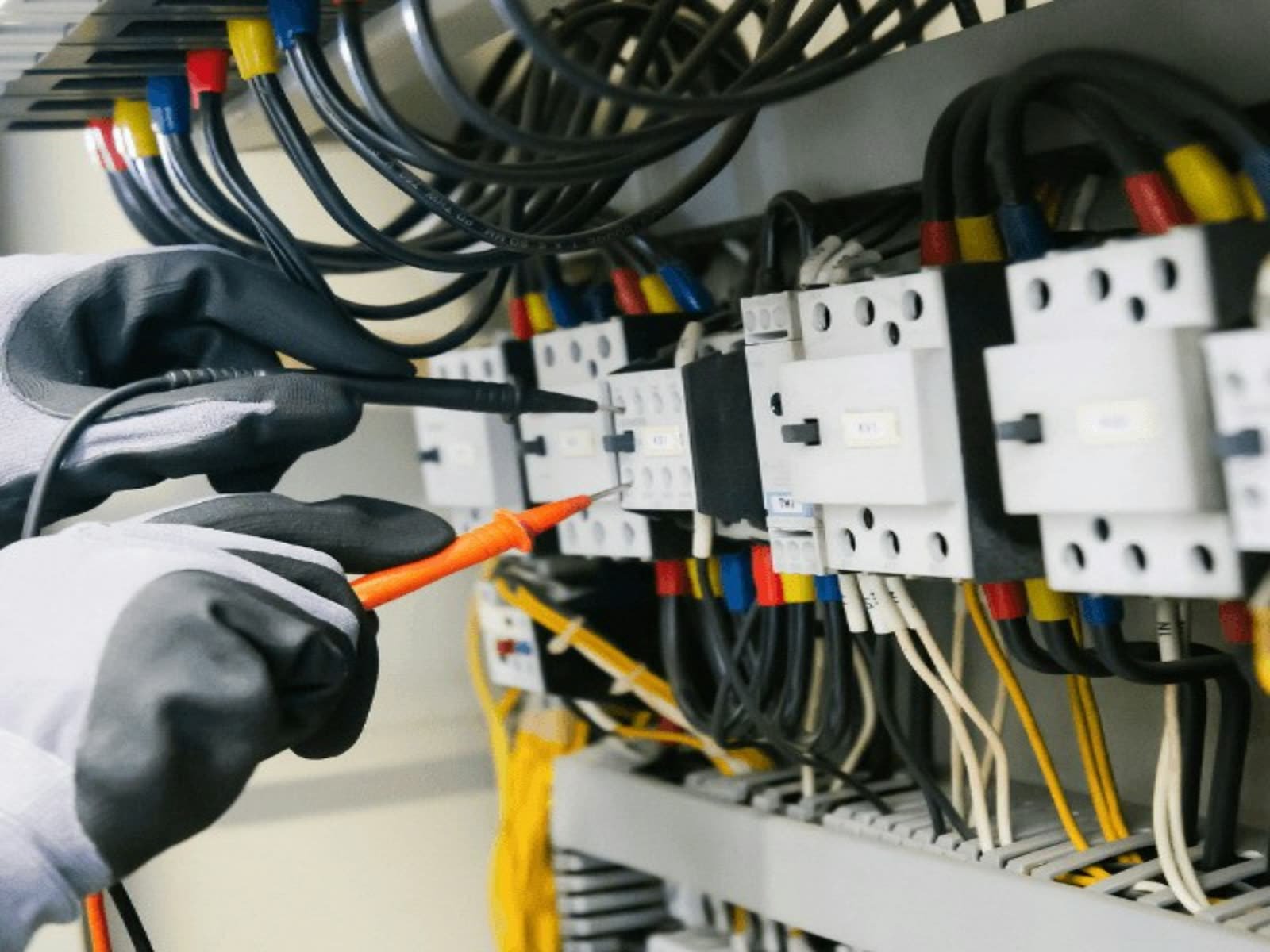
Electrical testing in Neuss: installations and equipment tested under DIN VDE and DGUV Regulation 3, with test report. For businesses, landlords and homes.